
Many patients become concerned when they notice a dark line around a filling or crown.
Sometimes it's something they've spotted in the mirror, while others notice it in photographs or when brushing their teeth.
The good news is that a dark line does not always mean something is wrong. However, because it can occasionally indicate decay or a failing restoration, it's worth having it assessed by a Dentist.
Let's look at the most common reasons a dark line may appear around a filling or crown.
Is a Dark Line Around a Filling or Crown Normal?
It depends on the cause.
Some dark lines are harmless and purely cosmetic, while others can indicate that the restoration is beginning to break down.
Factors such as the age of the restoration, the type of material used, your oral hygiene habits, and the condition of the surrounding tooth all play a role.
The only way to know for certain is through a professional dental examination.
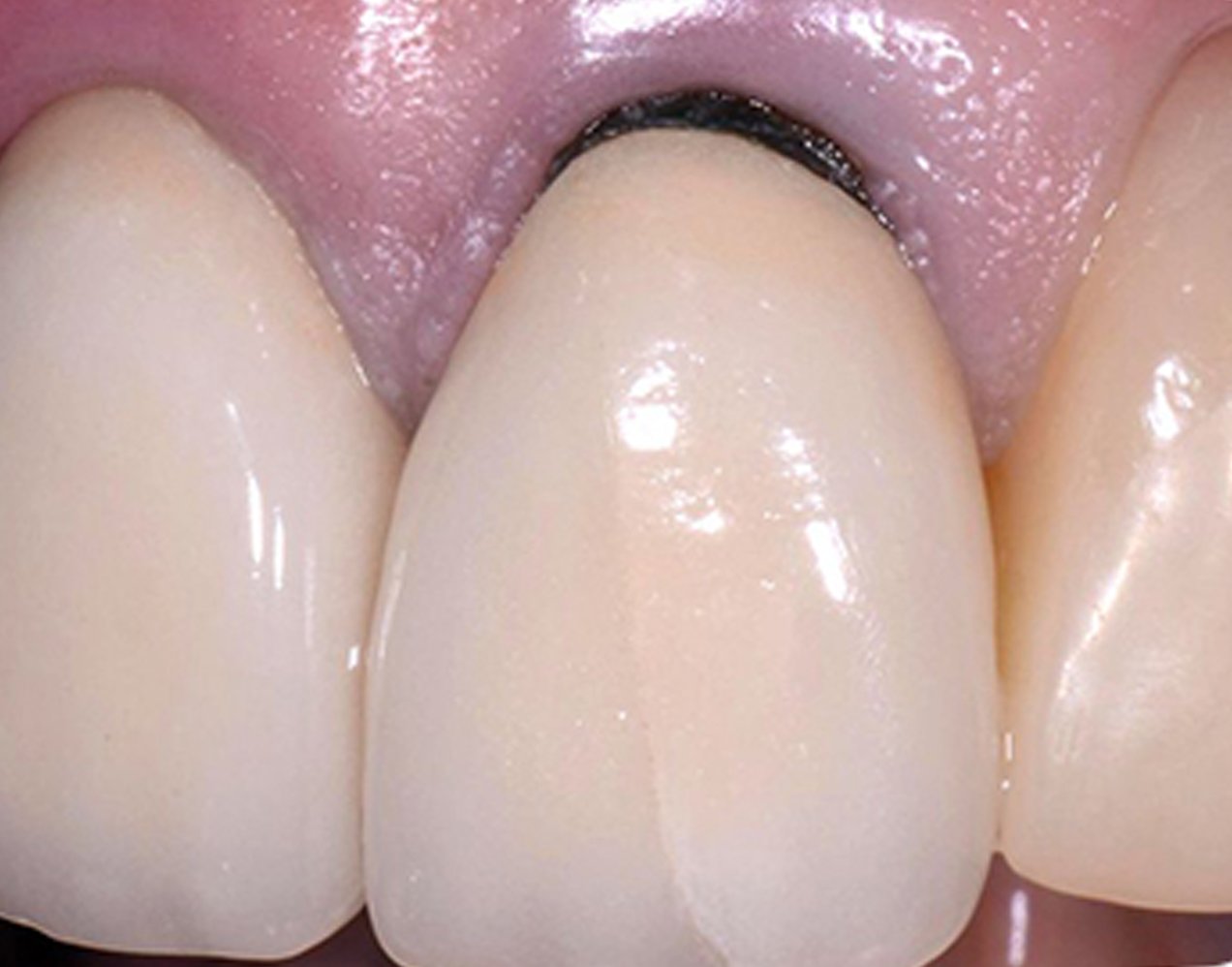
Common Causes of a Dark Line Around a Filling
1. Staining Around the Filling
Over time, fillings can develop staining around their edges.
This is especially common if you regularly consume:
Coffee
Tea
Red wine
Curry
Tobacco products
The stain may collect along the margin where the filling meets the natural tooth, creating a dark outline.
In many cases, the filling itself remains healthy and functional.
2. An Older Silver (Amalgam) Filling
Silver amalgam fillings have been used successfully for many decades, but more recent data suggests that these are not a good material for patient safety and they are banned in many countries.
As these restorations age, the metal can sometimes create a grey or dark appearance in the surrounding tooth structure.
You may notice:
A dark border around the filling
Grey discolouration beneath the tooth surface
A shadow-like appearance through the enamel
This is often a cosmetic issue rather than a sign of active decay.
3. A Gap Developing Around the Filling
Fillings do not last forever.
Over time, normal chewing forces can cause restorations to wear, shrink slightly, crack, or pull away from the tooth.
When a gap forms between the filling and tooth, bacteria and staining can enter the area.
This may appear as:
A dark line around the filling
Increased sensitivity
Food trapping around the tooth
Roughness you can feel with your tongue
In some cases, the filling may need replacing.
4. Decay Around the Filling (Secondary Decay)
One of the more important causes of a dark line is recurrent or secondary decay.
This occurs when new decay develops around the edges of an existing filling.
Risk factors include:
Poor oral hygiene
Frequent sugar consumption
Older restorations
Dry mouth
Missed dental check-ups
Secondary decay often develops beneath the surface before becoming visible.
If left untreated, it can eventually lead to pain, infection, or the need for more extensive treatment. So, as I always say - if you have a dental issue, or think you have a dental issue - just book an appointment and have a Dentist look at it. Even if it is nothing, you’ll get peace of mind!
Common Causes of a Dark Line Around a Crown
1. The Crown Margin Becoming Visible
Crowns fit over the prepared tooth and end at a margin where the crown meets the natural tooth.
As gums naturally change over time, the edge of the crown may become more visible.
This can create the appearance of a dark line, particularly around older crowns.
2. Metal Showing Through a Porcelain-Fused-to-Metal Crown
Many crowns were made using a metal substructure covered by porcelain.
If the gums recede slightly, a thin dark or grey line may become visible near the gumline.
This is particularly common with older porcelain-fused-to-metal crowns.
The crown itself may still be functioning perfectly well.
3. Gum Recession Around the Crown
When gums recede, more of the tooth and crown margin become exposed.
This can make:
Crown edges more noticeable
Metal margins more visible
Staining easier to see
Gum recession may be caused by:
Ageing
Gum disease
Aggressive brushing
Teeth grinding
4. Decay Developing Under the Crown
Although crowns protect teeth, the natural tooth underneath can still develop decay.
If bacteria enter around the crown margin, decay can form beneath the restoration.
Potential warning signs include:
A dark line that seems to be growing
Sensitivity
Bad taste around the tooth
Gum irritation
Food trapping
X-rays are often needed to determine whether decay is present under a crown.
When Is a Dark Line a Sign of a Problem?
You should arrange a dental examination if the dark line is accompanied by:
Tooth sensitivity
Pain when chewing
Food regularly getting trapped
Bleeding gums
Bad breath
A loose filling or crown
Visible cracks
These symptoms may indicate that the restoration is no longer sealing the tooth effectively.
How Dentists Diagnose the Cause
During an examination, your Dentist may:
Visually inspect the restoration
Check for gaps or wear
Assess gum health
Test for sensitivity
Take dental X-Rays if necessary
X-Rays are especially useful for detecting decay hidden beneath fillings and crowns.
How is a Dark Line Treated?
Treatment depends entirely on the underlying cause.
If It's Staining
Professional cleaning or polishing may improve the appearance.
If the Filling Is Worn
Replacing the filling may restore a proper seal and prevent future decay.
If Decay Is Present
The decay will need to be removed and the tooth restored.
If the Crown Is Failing
A new crown may be recommended if the existing restoration can no longer protect the tooth effectively.
If Gum Recession Is the Cause
Treatment may focus on improving gum health and monitoring the area.
Can You Prevent Dark Lines Around Fillings and Crowns?
While restorations naturally age, you can help extend their lifespan by:
Brushing twice daily with fluoride toothpaste
Cleaning between teeth every day
Attending regular dental check-ups
Reducing sugary foods and drinks
Avoiding tobacco products
Addressing grinding or clenching if recommended
Routine examinations often identify small problems before they become larger and more costly to treat.
Final Thoughts
A dark line around a filling or crown is not always a cause for concern.
Sometimes it is simply staining, gum recession, or the appearance of older restorative materials. However, it can also be an early sign of wear, leakage, or new decay developing around the restoration.
If you've noticed a dark line that is new, changing, or accompanied by symptoms, a dental examination can provide reassurance and determine whether any treatment is needed. So, just click below to get in touch, and me or my team will take a look.
Dr. Anna x
Frequently Asked Questions
-
The lifespan varies depending on the material used, oral hygiene, bite forces, and individual circumstances. Many restorations can last for years, but regular monitoring is important and it will vary from patient to patient.
-
Not necessarily. Staining and ageing restorations can also create dark lines. However, new decay is one possible cause and should be ruled out by a Dentist.
-
A black or grey line around a crown is often caused by metal showing through an older porcelain-fused-to-metal crown or by gum recession exposing the crown margin.
-
Yes. Over time, fillings can wear or develop microscopic gaps that allow bacteria and stains to enter around the edges.
-
Not always. Many older fillings remain functional despite some discolouration. Your Dentist can determine whether replacement is necessary.
More FAQs here.