
If your teeth have suddenly become sensitive to cold drinks, ice cream, or cold air, you're not alone. Sudden tooth sensitivity can be caused by worn enamel, gum recession, tooth decay, cracked teeth, worn fillings, or even teeth grinding. While some causes are minor, others may require prompt dental treatment. Identifying the cause early can help relieve discomfort and prevent more serious dental problems.
Few things are more unpleasant than taking a sip of an ice-cold drink and feeling a sharp pain shoot through one or more teeth.
For many people, tooth sensitivity seems to appear out of nowhere. One day your teeth feel perfectly normal, and the next you're avoiding cold drinks altogether.
While occasional sensitivity isn't always a cause for concern, sudden or persistent sensitivity can be a sign that something has changed in your oral health.
The good news is that most causes of cold sensitivity can be identified and treated successfully by your Dentist, and at tooth dental care in London we see this almost daily.
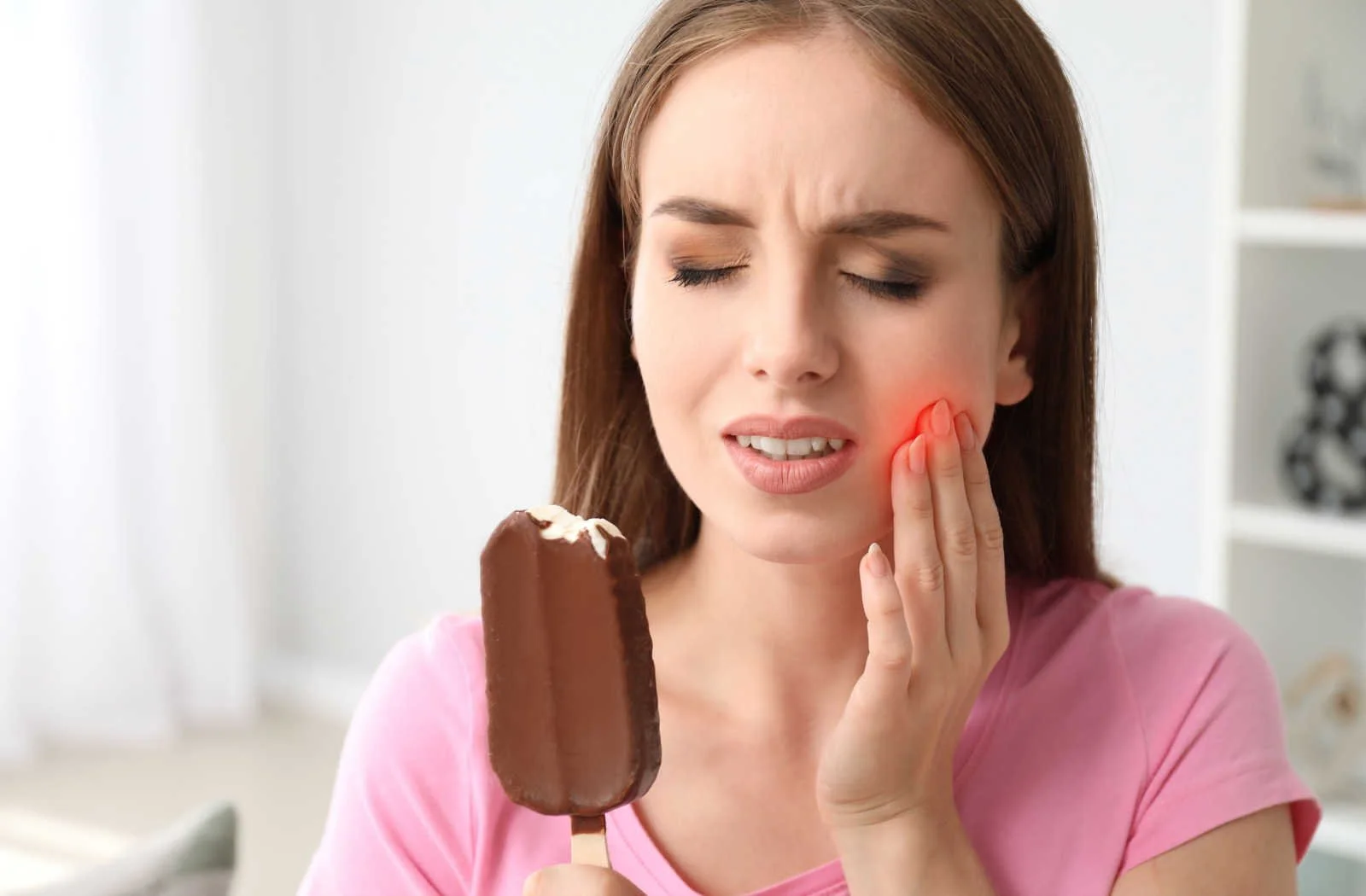
Why Do Teeth Become Sensitive?
Your teeth are protected by a hard outer layer called enamel.
Beneath the enamel is dentine, which contains thousands of tiny microscopic channels leading directly to the nerve inside the tooth.
When enamel becomes worn or the root surface becomes exposed, cold temperatures can stimulate these tiny channels, causing the sharp sensation many people describe as "sensitive teeth."
Common Causes of Sudden Cold Sensitivity
1. Worn Tooth Enamel
Enamel is incredibly strong, but it can gradually wear away over time.
Common causes include:
Brushing too hard
Acidic foods and drinks
Fizzy drinks
Acid reflux
Teeth grinding
Natural ageing
As enamel becomes thinner, cold temperatures reach the underlying dentine more easily.
2. Gum Recession
Healthy gums normally cover and protect the tooth roots.
If the gums recede, the root surface becomes exposed. Unlike enamel, the root isn't designed to withstand temperature changes, making it much more sensitive.
Gum recession may result from:
Gum disease
Brushing too aggressively
Teeth grinding
Ageing
Orthodontic movement
You may also notice your teeth looking slightly longer than before.
3. Tooth Decay (Cavities)
A cavity can create an opening through the enamel, allowing cold foods and drinks to reach the sensitive inner layers of the tooth.
Early signs of decay may include:
Sensitivity to cold
Sweet sensitivity
Food trapping
Small dark spots
Mild discomfort when eating
Many cavities cause sensitivity before they become painful.
4. A Cracked Tooth
Tiny cracks can allow cold temperatures to reach the nerve inside the tooth.
Cracks aren't always visible, and symptoms often come and go.
You may notice:
Sharp pain when biting
Sensitivity that comes and goes
Pain when releasing pressure after chewing
Sensitivity to cold drinks
Early diagnosis is important because untreated cracks can worsen over time.
5. A Worn or Leaking Filling
Dental fillings don't last forever.
As they age, they can:
Wear down
Develop small gaps
Crack
Become loose
This allows cold temperatures to reach the tooth underneath.
Sometimes replacing an old filling is all that's needed to eliminate the sensitivity.
6. Teeth Grinding (Bruxism)
Many people grind or clench their teeth while asleep without realising it.
Over time this can:
Wear away enamel
Create tiny cracks
Increase tooth sensitivity
Cause jaw discomfort
Lead to chipped teeth
If you regularly wake with jaw aches or headaches, teeth grinding may be contributing to your symptoms.
7. Recent Dental Treatment
It's common for teeth to feel temporarily sensitive after:
Fillings
Crowns
Teeth whitening
Professional cleaning
This type of sensitivity usually improves within a few days or weeks. You can read more on my blogs - The Principal Dentist’s Guide to What to Expect After Dental Treatment and Why a New Filling Can Feel “High” or “Compacted” - and Why Waiting Often Helps.
However, if it becomes worse or doesn't settle, your Dentist should review the tooth.
8. Gum Disease
Inflamed gums can begin pulling away from the teeth, exposing sensitive root surfaces.
Other signs include:
Bleeding gums
Swollen gums
Persistent bad breath
Loose teeth
Gum recession
Treating gum disease early often reduces sensitivity while protecting the supporting structures around the teeth.
Why Has the Sensitivity Appeared Suddenly?
Many dental problems develop slowly but only become noticeable once they reach a certain point.
For example:
A cavity may slowly enlarge until it reaches dentine.
A filling may gradually wear before allowing cold to penetrate.
Gum recession may expose enough root surface to trigger symptoms.
A crack may suddenly worsen after biting into something hard.
This is why sensitivity can appear seemingly overnight.
When Should You See a Dentist?
Book an appointment if:
The sensitivity lasts more than a few days.
It's getting worse.
Only one tooth is affected.
You have pain when biting.
You notice swelling.
The tooth has changed colour.
Cold sensitivity is accompanied by lingering pain after the stimulus has gone.
These symptoms may indicate a more serious problem requiring treatment.
How Dentists Diagnose Tooth Sensitivity
During your appointment, your Dentist may:
Examine your teeth and gums
Check existing fillings and crowns
Look for cracks
Assess gum recession
Test tooth vitality
Take dental X-rays if needed
This helps identify the underlying cause rather than simply treating the symptom.
How Is Cold Sensitivity Treated?
Treatment depends on the diagnosis.
Possible treatments include:
Desensitising Toothpaste: Specialist toothpaste can help block the tiny channels within dentine, reducing sensitivity over time.
Fluoride Treatments: Professional fluoride applications strengthen enamel and reduce discomfort.
Replacing Old Fillings: If an old filling is leaking or worn, replacing it can restore a proper seal.
Treating Tooth Decay: Removing decay and restoring the tooth often resolves sensitivity quickly.
Gum Treatment: If gum disease or recession is responsible, improving gum health may reduce symptoms.
Night Guards: Patients who grind their teeth may benefit from a custom-made night guard to protect their enamel.
Can Tooth Sensitivity Be Prevented?
The good news is… Yes! It can. You can reduce your risk by:
Brushing gently with a soft-bristled toothbrush
Using fluoride toothpaste
Limiting acidic foods and drinks
Wearing a night guard if advised
Cleaning between your teeth daily
Attending regular dental check-ups
Seeking advice when sensitivity first develops
My Final Thoughts
Sudden sensitivity to cold is your teeth's way of telling you something has changed, so please don’t ignore it. Whether you come to us at tooth dental in Waterloo, or to your regular Dentist, it is important to get it checked.
While the cause may be something relatively minor, it can also indicate tooth decay, a cracked tooth, gum disease, or a failing filling.
The sooner the underlying cause is identified, the simpler treatment is often likely to be (and likely cheaper and less invasive too!).
If you've recently noticed increased sensitivity to cold foods or drinks, booking a dental examination can help identify the problem before it develops into something more serious.
Dr. Anna x
Frequently Asked Questions
-
Sudden sensitivity is commonly caused by enamel wear, gum recession, tooth decay, cracked teeth, worn fillings, or teeth grinding. A dental examination can identify the exact cause.
-
Mild sensitivity may improve if caused by temporary irritation. However, persistent or worsening sensitivity should always be assessed by a Dentist.
-
Sensitivity affecting a single tooth is more likely to indicate a localised problem such as a cavity, cracked tooth, worn filling, or exposed root surface.
-
No, fortunately not! In fact, most cases of cold sensitivity are caused by less serious problems. However, prolonged or severe pain after exposure to cold may indicate inflammation of the nerve that requires further investigation.
-
Desensitising toothpaste containing ingredients such as potassium nitrate or stannous fluoride can help reduce sensitivity over time. Your dentist can recommend the most suitable option for your needs.
More FAQs here and you can also read more here on my tooth sensitivity blog.