
Dental filling costs in the UK can vary depending on the size of the cavity, the tooth being treated, and the material used, but most private white fillings typically range nationally from around £150 to £350 per tooth.
Typical Cost of a White Filling in London
The typical cost of a private white filling in London is from around £180 to £450. At tooth we want as many people to receive the best quality dentistry at the most reasonable prices, so our regular white filling costs are priced at the best price possible - the price for a filling at tooth is from only £150 for a small filling, £210 for a medium filling, to £245 for a large filling.
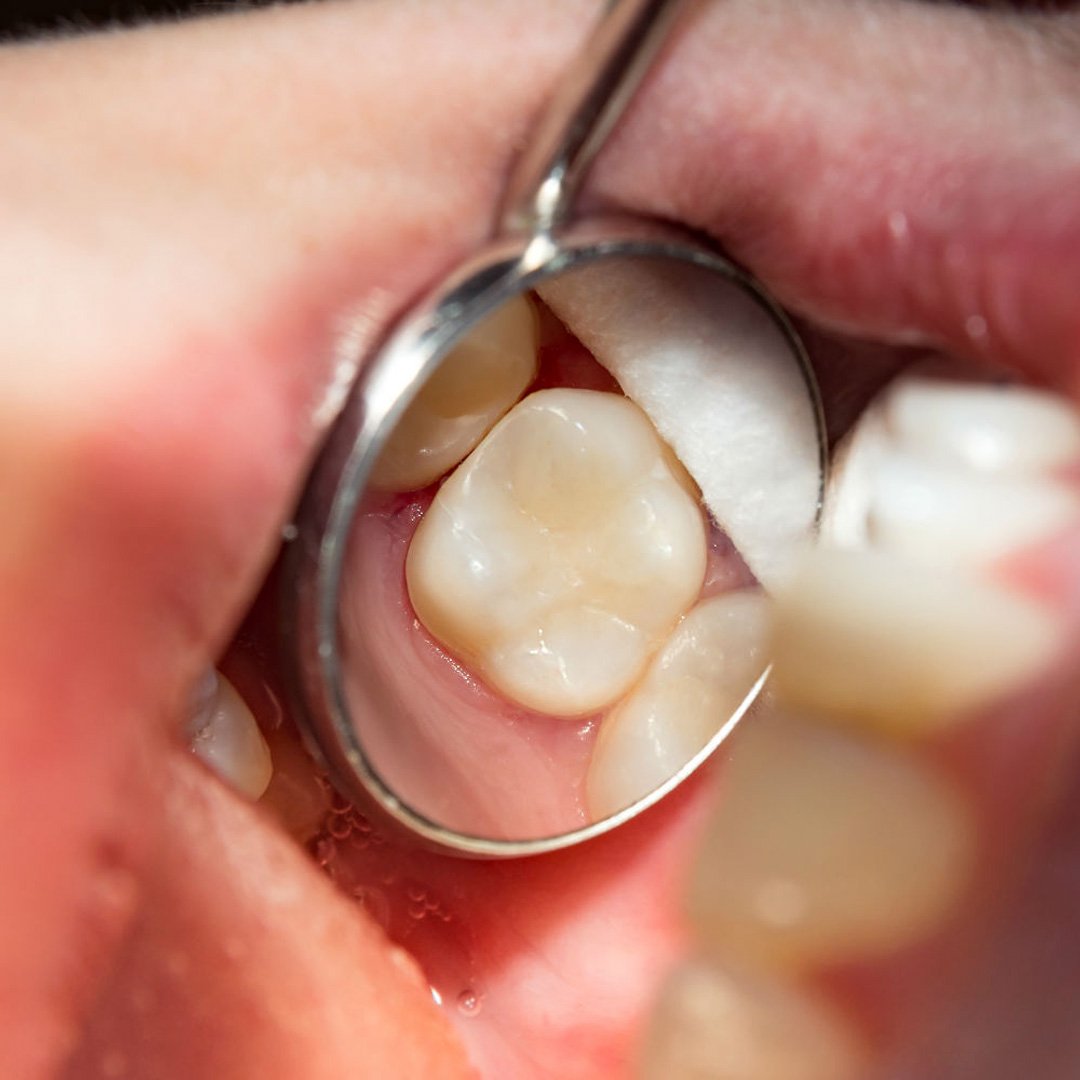
Key Factors That Affect the Cost of a Filling
The cost of a filling can vary from patient to patient because every cavity is different. Some fillings are very small and quicker to treat, while others may involve more extensive work.
The main factors that influence the cost include:
The size of the cavity: Larger fillings take more time and material
The tooth being treated: Back teeth often require larger restorations
The material used: Modern white composite fillings are the most common option and each dental practice may choose a different composite for their filling material. Some are very cheap but at tooth we only use the best quality materials, to deliver the best results.
The complexity of the procedure: Some cavities are harder to access or repair
The time needed for treatment: As for this time we need a Dentist and a Nurse and can’t serve any other patients
At tooth, we always examine the tooth carefully and explain the recommended treatment and prices before proceeding.
Why Most Dentists Use White Fillings
Modern dentistry has largely moved away from traditional silver amalgam fillings. Today, tooth-coloured composite fillings are the most commonly used option in many dental practices and amalgams typically only in the NHS.
White fillings have several advantages:
They blend naturally with the colour of your teeth
They bond directly to the tooth structure, helping strengthen it
They allow dentists to remove less healthy tooth tissue
This means restorations can often be more conservative and aesthetically pleasing.
Why Filling Prices Can Vary Between Practices
Patients sometimes notice that filling prices differ between dental practices. This is because several factors can influence the overall cost of treatment.
These may include:
The quality of materials used
The technology available at the practice
The time taken to complete the procedure properly
The experience and training of the dental team
Modern composite fillings require careful placement and layering to achieve a strong and natural-looking result.
Treating Cavities Early Can Save Money
One of the best ways to minimise dental costs is to follow the mantra of prevention is better than cure. In relation to fillings, treating tooth decay early is key.
Small cavities are usually quick and straightforward to repair with a filling and usually cheaper too! However, if decay is left untreated it can progress deeper into the tooth, potentially leading to more complex treatments.
For example, untreated decay may eventually require:
Larger fillings
Root canal treatment
Crowns
In severe cases, tooth extraction
Regular dental examinations (dental check-ups) allow problems to be identified early, often before symptoms develop.
If you’re interested in learning more about how fillings treat decay, you may also find my blog “Why do I need a filling?” helpful.
The Importance of Regular Dental Check-Ups
Routine dental check-ups, and dental hygiene visits, play an important role in preventing more complex dental problems.
During a check-up, your Dentist will examine the teeth and gums and check for early signs of tooth decay. When cavities are detected early, they can usually be treated quickly with a small filling.
Regular visits also allow patients to receive personalised advice on maintaining good oral hygiene and reducing the risk of future decay.
At tooth, we focus on preventative dentistry and helping patients maintain healthy teeth for the long term. So, if you want to get something checked, have dental pain, or just haven’t been to see a Dentist for a while, give us a shout - we are ready and waiting to help. You can book by clicking any of the buttons below, and don’t forget to look at our mini-FAQs below, or read all our FAQs here.
Dr. Anna x
Frequently Asked Questions
-
Private white fillings in the UK typically cost between £150 and £350 (more in London), depending on the size of the cavity, the tooth involved, the complexity of the treatment. At tooth the cost of a small filling is only £150, a medium filling £210 and a large £245.
-
White composite fillings are widely used today because they blend naturally with the tooth and bond directly to the tooth structure. This allows dentists to preserve more healthy tooth tissue while providing a strong and aesthetic restoration. Amalgam fillings are actually banned in the EU and in many parts of the world too.
-
Dental fillings can last many years with proper care. Maintaining good oral hygiene and attending regular dental check-ups helps ensure fillings remain in good condition and prevents further decay. The length a filling can last depends on many factors, including the position, size of filling, patients diet, grinding, bite and more. Your Dentist will advise.
-
Most fillings are placed using local anaesthetic, which means the procedure is usually comfortable. Patients may experience mild sensitivity afterwards, but this typically settles within a few days. You can learn more here in my recent blog, What to Expect After Dental Treatment.
-
Once a cavity has progressed beyond the earliest stage of enamel damage, it cannot heal on its own. A filling is usually needed to remove the decay and restore the tooth.
-
You should see a dentist if you experience symptoms such as tooth sensitivity, pain when biting, or food regularly getting trapped between teeth. However, many cavities cause no symptoms initially, which is why regular check-ups are important.