
Gums usually bleed when brushing because plaque has built up around the gum line, causing inflammation known as gingivitis, which can often be improved with better oral hygiene and regular dental visits.
Common causes of bleeding gums include:
Plaque build-up along the gum line
Gingivitis (early gum disease)
Brushing too aggressively
Infrequent flossing or interdental cleaning
Tartar build-up that needs professional cleaning
If you’ve ever noticed blood in the sink when brushing or flossing your teeth, you’re definitely not alone. Bleeding gums are very common, but they’re also something that shouldn’t be ignored. Healthy gums generally do not bleed, so if they are, it’s usually a sign that something needs attention.
The good news is that in most cases, bleeding gums are treatable and reversible, particularly when caught early.
The Most Common Cause: Plaque Build-Up
The most common reason gums bleed is the build-up of plaque, a sticky layer of bacteria that forms on the teeth every day. If plaque isn’t removed properly with brushing and flossing, it can irritate the gums.
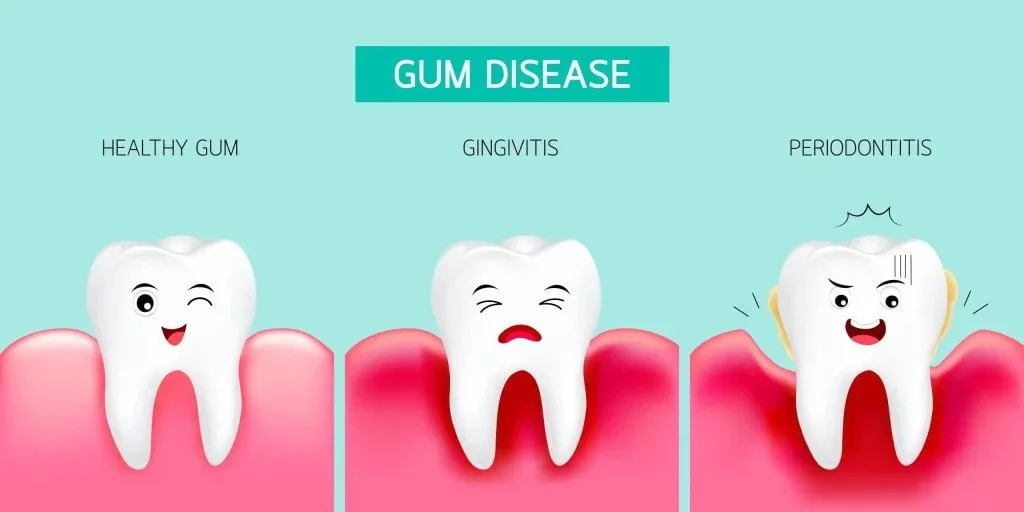
This irritation leads to a condition called gingivitis, which is the earliest stage of gum disease. Signs of gingivitis often include:
Bleeding when brushing or flossing
Red or swollen gums
Tenderness around the gum line
Persistent bad breath
The great news is, that at this stage, the condition is usually fully reversible with good oral hygiene and professional dental care.
Why Bleeding Gums Shouldn’t Be Ignored
One of the biggest misconceptions is that people should stop brushing the area if their gums bleed. In reality, the opposite is true, even if this feels a little counter-intuitive!
Bleeding gums are often a sign that plaque has built up around the gum line, so thorough but gentle cleaning is essential. If plaque remains in place, gingivitis can progress into periodontitis, a more advanced form of gum disease that can damage the bone supporting the teeth.
Over time, untreated gum disease can lead to:
Receding gums
Loose teeth
Tooth loss
So this is exactly why I tell all my patients that early intervention is so very important.
The Role of Regular Dental Check-Ups
Regular dental check-ups play a key role in keeping gums healthy. During a routine examination at tooth, we check not only the teeth but also the health of the gums and the tissues supporting them. Unfortunately, when times are tight and as everything continues to feel harder to pay for for so many each month, often patients think it is ok to skip routine check-ups, but this honestly isn’t a good idea ideally.
Early gum disease often develops without significant pain, which means many people are unaware there is a problem until symptoms such as bleeding appear. Regular check-ups allow us to detect and treat issues early before they progress.
At a dental exam, me or my colleagues, can also assess areas that may be harder to clean at home and provide personalised advice to improve your daily oral hygiene routine.
Professional Hygiene Appointments
Alongside check-ups, professional dental hygiene appointments are one of the most effective ways to prevent and treat bleeding gums.
Our amazing Dental Hygienists provide thorough professional cleaning to remove plaque and hardened plaque (tartar) that cannot be removed with brushing alone. This helps reduce inflammation in the gums and allows the tissues to heal.
Hygiene appointments also give patients the opportunity to receive tailored advice on:
Brushing technique
Interdental cleaning (such as floss or interdental brushes)
Preventing plaque build-up between visits
For the absolute majority of patients, regular hygiene visits make a significant difference to gum health.
When Should I See a Dentist About Bleeding Gums?
If your gums bleed regularly when brushing or flossing, it’s a good idea to book a dental appointment. While mild gingivitis is common, it’s always better to identify the cause early and treat it before it develops further.
If you’re concerned about bleeding gums or it’s been a while since your last dental visit, we’d be happy to help - our team are not only super-experienced, but also kind, gentle and non-judgemental. We don’t mind how long it has been since you saw a Dentist or Hygienist, we’re just here to get you back on track to great oral health!
Occasional mild bleeding can sometimes happen if plaque has built up around the gum line, but persistent bleeding should always be checked by a Dentist, so;
You should book a dental appointment if:
Your gums bleed regularly when brushing or flossing
Your gums appear red, swollen, or tender
You have persistent bad breath
Your gums are receding or pulling away from the teeth
It has been more than six months since your last dental check-up
A Dentist can examine your gums, identify the cause of the bleeding, and recommend the appropriate treatment. In many cases, improving oral hygiene and having a professional hygiene appointment can significantly improve gum health too.
At tooth, regular dental check-ups and hygiene visits help detect and treat gum problems early, before they progress into more serious gum disease. Our team provides comprehensive dental check-ups and professional hygiene care at great prices in central London, to help keep both your teeth and gums healthy.
Top 3 FAQs About Bleeding Gums
-
No, healthy gums should not normally bleed when brushing. Bleeding gums are often a sign of plaque build-up around the gum line, which can cause inflammation known as gingivitis. The good news is that this early stage of gum disease is usually reversible with good oral hygiene and professional dental care.
-
If bleeding is caused by mild gingivitis, it often improves within a few days to a couple of weeks once plaque is removed and oral hygiene improves. Regular brushing, flossing or interdental cleaning, and professional hygiene appointments can help gums heal. If bleeding continues, it’s best to see a Dentist for an assessment.
-
Yes, you should continue brushing your teeth even if your gums bleed. Bleeding often occurs because plaque has built up around the gums, so gentle but thorough brushing along the gum line is important to remove it. Using a soft toothbrush and cleaning between the teeth can help improve gum health over time.
Booking for a dental exam or a dental hygiene appointment in London at tooth in Waterloo is incredibly easy, and we usually have great availability, with same day dental visits usually available too! Just click on any of the buttons below to get in touch, and we’ll have those bleeding gums, or any other dental issue, fixed in no time at all!
Dr. Anna x