
Pain when biting is often a sign of pressure on an inflamed or damaged tooth
Common causes include cracks, infection, high fillings, or gum problems
It’s unlikely to resolve on its own so early assessment prevents bigger issues
Treatment depends on the cause, from simple bite adjustments to root canal treatment
Pain when biting down on a tooth is one of the most common reasons people seek dental advice and as Principal Dentist at tooth in Waterloo, London, I’m asked about this almost every day! It’s your body’s way of telling you something isn’t quite right.
While it might feel minor at first, this type of discomfort often points to an underlying issue that won’t simply go away on its own.
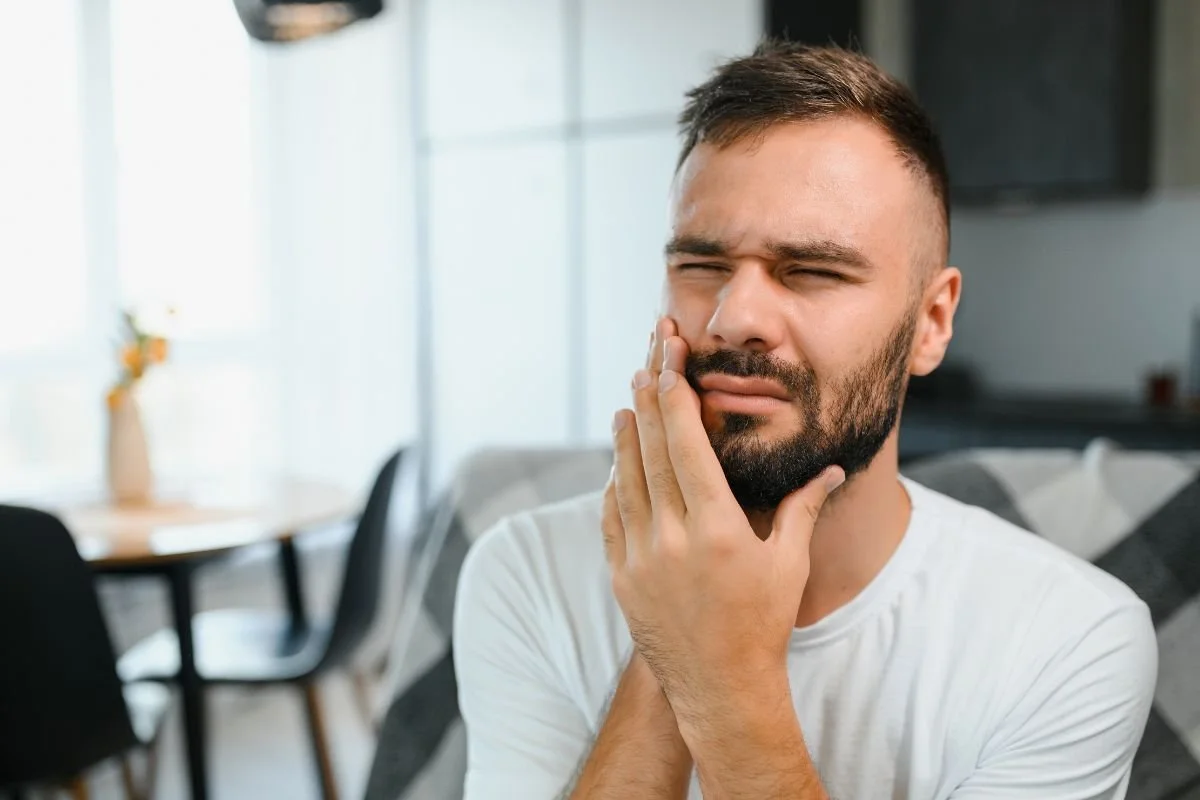
What Does Pain on Biting Mean?
When you bite, you’re applying pressure through the tooth and into the surrounding ligament and bone. If any part of that system is inflamed, damaged, or infected, you’ll feel it.
The key for us Dentists is identifying why that pressure is causing pain.
Common Causes of Tooth Pain When Biting
A Cracked Tooth: Small cracks can be surprisingly painful, especially when you release your bite. These cracks are often invisible to the eye but allow the tooth to flex slightly under pressure, irritating the nerve inside.
Typical signs:
Sharp pain when biting or releasing
Pain that comes and goes
Sensitivity to cold
Tooth Infection (Abscess)
If the nerve inside the tooth becomes infected, pressure from biting can aggravate the surrounding tissues.
Signs to watch for:
Persistent or throbbing pain
Pain when chewing
Swelling or a bad taste
This usually requires root canal treatment to remove the infection and save the tooth.
A ‘High’ Filling or Bite Imbalance
If a filling, crown, or even your natural bite is slightly uneven, one tooth may be taking more pressure than it should.
This can cause:
Pain when biting
A feeling that the tooth “hits first”
Discomfort after recent dental work
The good news - this is often a quick fix with a simple adjustment. Read more about this on my high filling blog here.
Gum or Periodontal Issues
The structures supporting the tooth can also be the source of pain.
Inflamed or infected gums may lead to:
Tenderness when biting
Bleeding gums
Tooth mobility in more advanced cases
Professional cleaning and gum treatment can usually resolve this.
Teeth Grinding (Bruxism)
Clenching or grinding your teeth—often at night—puts excessive pressure on certain teeth.
Over time, this can lead to:
Pain when biting
General tooth soreness
Wear or small cracks
A custom night guard is often recommended to protect the teeth.
When Should You See a Dentist?
If your tooth hurts when you bite, it’s best not to wait.
You should book an appointment if:
The pain lasts more than a couple of days
It’s getting worse
You notice swelling, sensitivity, or a bad taste
You’ve recently had dental treatment and something doesn’t feel right
As always with dentistry, early diagnosis can mean the difference between a simple fix and more complex treatment.
How Is It Treated?
Treatment depends entirely on the cause, but may include:
Bite adjustment
Replacement or reshaping of a filling
Treatment for gum disease
A protective night guard
Root canal treatment
In some cases, a crown to protect a cracked tooth
If you are feeling pain when you bite down, don’t worry - we can help. To book a dental appointment at tooth just click on any of the buttons below.
Dr. Anna x
Frequently Asked Questions
-
Sometimes mild irritation can settle, but most causes—like cracks or infection—require treatment. If it persists, it’s best to get it checked.
-
This is a classic sign of a cracked tooth. The tooth flexes under pressure and then shifts back when you release, triggering pain.
-
Not always, but it shouldn’t be ignored. If you have swelling, severe pain, or signs of infection, you should be seen urgently.
-
Yes - if it’s slightly too high, it can put extra pressure on the tooth. This is usually a quick and simple fix.
-
It’s difficult to tell at home. A Dentist will use tests and imaging to diagnose the exact cause and recommend the right treatment.
More FAQs here.