
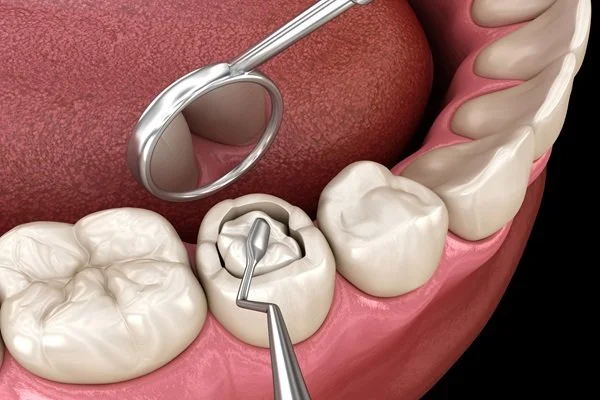
tooth filling

Why Do I Need a Filling? A Principal Dentist's Guide to Tooth Decay

Why Do I Need a Filling? A Principal Dentist's Guide to Tooth Decay

Many patients feel a little surprised when they’re told they need a filling, especially if they aren’t in pain. But, fillings are one of the most effective ways to stop tooth decay from getting worse and to protect your tooth for the long term. In this blog, I’ll explain what tooth decay is, what causes it, what a filling actually does, and why modern tooth-coloured fillings (known as white fillings) are a great option.
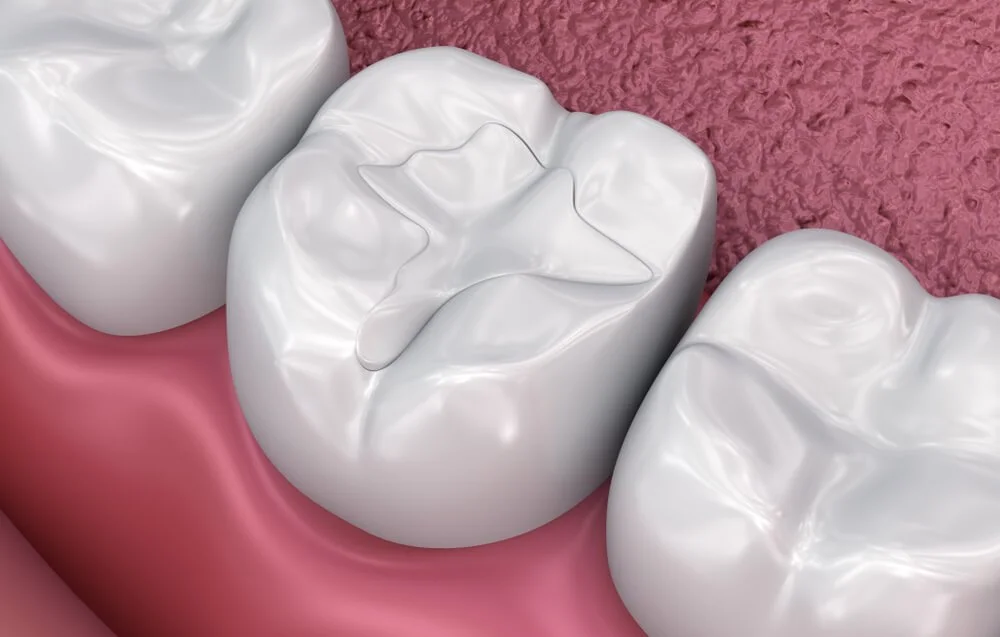
Why a New Filling Can Feel “High” or “Compacted” - and Why Waiting Often Helps

Why a New Filling Can Feel “High” or “Compacted” - and Why Waiting Often Helps

It’s very common for patients to tell us that a new filling doesn’t quite feel right in the days after treatment. Some describe it as feeling high, tight, or ‘compacted’ when they bite together. Understandably, this can feel worrying - especially if the tooth was comfortable before.

As Principal Dentist of tooth in Waterloo, I want to reassure you that this sensation is usually temporary, and in most cases, settles naturally as your mouth adjusts.

What Is Tooth Decay and What Are the Causes of Tooth Decay?

What Is Tooth Decay and What Are the Causes of Tooth Decay?

Tooth decay, also known as dental caries or cavities, is one of the most common oral health problems worldwide. It occurs when the hard surface of the tooth (which is called the enamel) is damaged due to the build-up of plaque. If left untreated, tooth decay can lead to pain, infection, and even tooth loss. Like everything in dentistry, understanding what causes tooth decay is the first step toward preventing it.