
How Long Do Dental Crowns Last? 7 Signs Your Crown May Need Replacing
Dental crowns are designed to protect damaged teeth, restore their strength and help maintain a natural-looking smile. But although dental crowns are built to last, they don't last forever. So, how long should a dental crown last, and how do you know when it's time to have it replaced?
Whether you've had a crown for five years or fifteen, it's important to know what to look out for. A crown that becomes loose, damaged or starts to develop problems around its edges may need attention. Sometimes, the signs are obvious, but in other cases, problems can develop without causing any pain.
In this guide, I'll explain how long dental crowns typically last, what affects their lifespan and seven signs that your crown may need replacing.
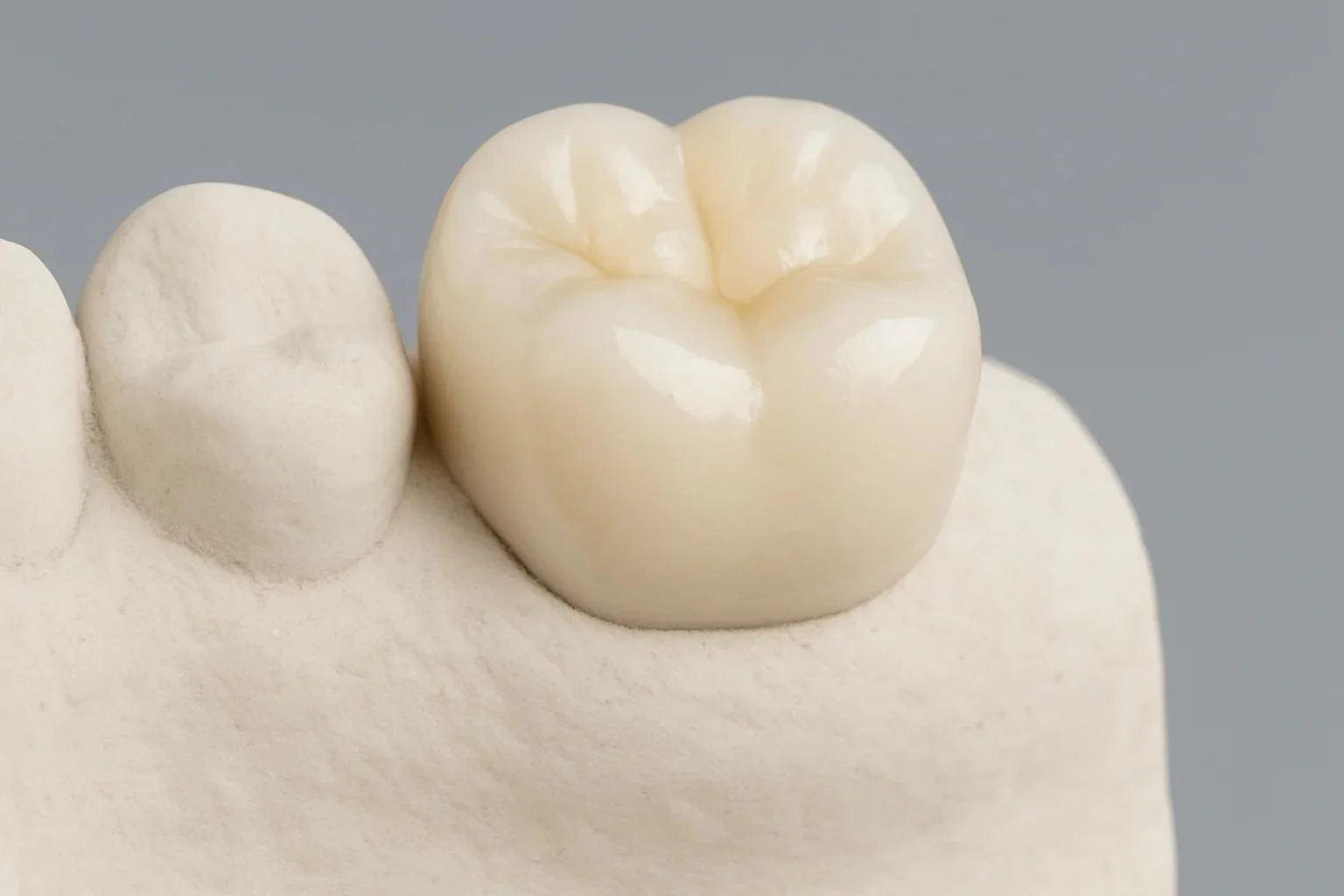
How long do dental crowns last?
As a general guide, dental crowns can last around 10–15 years, although some last considerably longer with good care. There is no guaranteed lifespan, as it depends on several factors, including the material used, the condition of the underlying tooth, your bite and how well you look after your teeth. Sometimes they will last much less - each patient’s case is individual and oral health place a massive factor.
Some crowns may need attention or replacement sooner, while others can remain in excellent condition for 20 years or more.
The important thing to remember is that having an older crown doesn't automatically mean it needs replacing. If your crown is comfortable, secure and functioning properly, your dentist may simply recommend continuing to monitor it during your routine dental check-ups.
7 signs your dental crown may need replacing
Here are seven things to look out for if you have a dental crown.
1. Your crown feels loose or moves
A dental crown should feel secure and stable. If you notice that it moves slightly when you eat, feels different when you bite down or seems to be lifting away from the tooth, it could indicate that the cement holding it in place has weakened.
A loose crown should always be assessed by a dentist. Sometimes it can simply be cleaned and recemented, rather than needing a completely new crown.
Don't be tempted to ignore it, as bacteria can get underneath a loose crown and cause decay in the underlying tooth.
2. Your crown is chipped or cracked
Although modern dental crowns are made from strong materials, they aren't indestructible.
Porcelain crowns, in particular, can sometimes chip or crack following an impact, biting down on something particularly hard or because of repeated pressure from teeth grinding.
A small chip doesn't always mean the crown needs replacing. Depending on the location and extent of the damage, your dentist may be able to smooth or repair it. However, a significant crack or fracture may mean a new crown is needed to protect the underlying tooth.
3. You are experiencing pain or sensitivity
A crown itself doesn't have nerves, but the natural tooth underneath it does.
If you begin experiencing pain, sensitivity to hot or cold drinks, discomfort when biting or persistent toothache around a crowned tooth, it's worth having it checked.
There are several possible causes, including:
Decay developing underneath or around the crown.
Inflammation or infection affecting the nerve of the tooth.
A crack in the underlying tooth.
Problems with the fit or bite of the crown.
Not all sensitivity means your crown needs replacing, but persistent or worsening symptoms should never be ignored.
4. You notice a dark line around your crown
Have you noticed a dark or grey line appearing where your crown meets your gum?
This can sometimes happen with older porcelain-fused-to-metal crowns, where the metal underneath becomes visible as the gum naturally recedes.
Although this may be primarily a cosmetic concern, it is still worth having your Dentist assess the crown and surrounding gum.
A dark line isn't necessarily a sign that the crown has failed or that there is decay. However, if there is also a gap, roughness or discolouration around the margin, your dentist will want to investigate further.
5. Your gum is receding around the crown
Our gums naturally change as we get older, and gum recession can sometimes expose more of the crown or the tooth beneath it.
When this happens, you may notice that the crown looks longer than it used to, or that the edge of the crown is more visible.
Gum recession doesn't automatically mean a crown needs replacing. However, exposed tooth structure around the crown margin can be more vulnerable to decay, particularly if cleaning is difficult.
Your Dentist can assess whether the crown still fits properly and whether the surrounding gum tissue is healthy.
6. Food keeps getting trapped around your crown
If you regularly find food getting stuck around a crowned tooth, particularly between the crown and an adjacent tooth, it may indicate a problem with the contact or shape of the crown.
A poorly fitting crown, a change in the surrounding teeth or gum recession can all contribute to food trapping.
This can be more than just an inconvenience. Repeated food trapping can make cleaning difficult and increase the risk of gum inflammation and decay.
If this is something you've started noticing, it's worth asking your dentist to check the area.
7. Your crown looks noticeably different from your other teeth
Dental crowns are designed to blend naturally with your surrounding teeth. However, over time, your natural teeth may change colour, while the crown itself may remain relatively unchanged.
Older crowns can also become worn, chipped or aesthetically dated.
If your crown is on a front tooth, you may particularly notice a difference in colour, shape or appearance.
A cosmetic difference doesn't necessarily mean the crown needs replacing for dental health reasons, but if you're unhappy with its appearance, your dentist can discuss whether replacement is appropriate.
Can a dental crown be repaired, or does it always need replacing?
Not every problem with a dental crown means you need an entirely new one.
Depending on the issue, there may be several options:
Re-cementing: If your crown has simply come loose or fallen out and is otherwise in good condition, it may be possible to clean and recement it.
Minor repair: Small chips or rough edges may sometimes be repaired or smoothed.
Replacement: If the crown is significantly damaged, poorly fitting or has decay developing underneath it, a replacement may be the best option.
The condition of the natural tooth underneath is particularly important. Before recommending a replacement crown, your Dentist will need to check that the underlying tooth is healthy enough to support it.
In some cases, additional treatment, such as root canal treatment, may be needed before a new crown can be fitted.
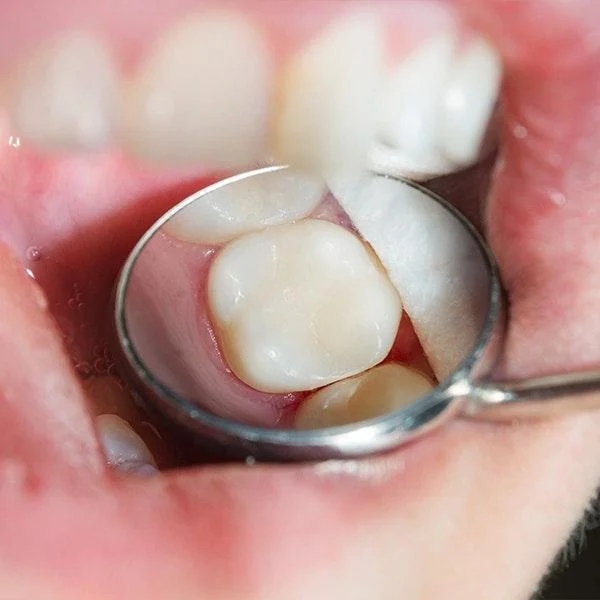
What happens when you need a dental crown replaced?
Replacing a dental crown is generally similar to having a new crown fitted.
First, your Dentist will examine the existing crown and the tooth underneath it. X-rays may also be required to check for decay or other problems that aren't visible during a clinical examination.
If replacement is recommended, the old crown is carefully removed and the remaining tooth is assessed. The tooth may need some additional preparation before a scan or impression is taken to create your new crown.
A temporary crown may be fitted while your permanent crown is being made. Once it is ready, you'll return for your fitting appointment, where your dentist will check the fit, bite and appearance before securing it in place.
At tooth, we generally complete crown treatment over two visits, with the permanent crown usually ready approximately two weeks after the preparation appointment.
How can you make your dental crown last longer?
The good news is that there are several things you can do to help extend the lifespan of your dental crown.
1. Brush twice a day
Brush your teeth twice daily with fluoride toothpaste, paying particular attention to the gumline around your crown.
2. Clean between your teeth
Use interdental brushes or dental floss to clean around the crown and between neighbouring teeth. This is particularly important because decay can still develop in the natural tooth underneath a crown.
3. Attend regular dental check-ups and dental hygiene appointments
Your Dentist can monitor the condition of your crown, check its margins and identify any early signs of problems before they become more serious.
4. Avoid biting very hard objects
Avoid using your teeth to bite hard objects such as ice, hard sweets or pens. These can damage both natural teeth and crowns.
5. Address teeth grinding
If you grind or clench your teeth, particularly at night, you may be putting additional pressure on your crowns. Your dentist may recommend a custom-made nightguard to help protect them.
6. Maintain good general oral health
A healthy diet, limiting sugary snacks and drinks, and maintaining good oral hygiene all help protect the natural tooth supporting your crown.
Should I replace an old dental crown if it isn't causing any problems?
As Principal Dentist at tooth in Waterloo, this is one of the most common questions I hear from patients.
The answer is not necessarily.
A dental crown that is 15 or even 20 years old doesn't automatically need replacing. If it is still secure, comfortable, well-fitting and the underlying tooth is healthy, there may be no reason to replace it.
In fact, replacing a perfectly healthy crown unnecessarily can involve removing additional natural tooth structure, so we always want to consider whether replacement is genuinely needed.
The best approach is to have your crown checked regularly and make a decision based on its clinical condition rather than simply how old it is.
Need advice about an old or damaged dental crown in London?
If you have a dental crown that feels loose, has become uncomfortable or simply doesn't look the way it used to, it's worth having it checked.
At tooth dental care in Waterloo, London, we provide dental crown assessments, repairs and replacement crowns using high-quality materials, including porcelain-bonded and full porcelain options such as zirconia and e.max.
Whether you need an existing crown recemented or a completely new crown, our team will assess your tooth, explain the options available and help you decide on the most appropriate treatment.
You can find out more about our dental crown treatments at tooth.
Book an appointment with me or the team at tooth dental care in Waterloo, London, and let us help you keep your smile healthy.
Dr. Anna x
Frequently Asked Questions About Dental Crowns
-
Under optimal conditions for a patient with good oral health, most dental crowns last around 10–15 years, although some can last considerably longer. Their lifespan depends on the material, the health of the underlying tooth, your bite and how well you maintain your oral hygiene. But each case will vary patient to patient.
-
Technically, yes but there are lots of variables. A well-made crown that is properly maintained can last 20 years or more. Regular dental check-ups and dental hygiene visits help ensure that the crown and the natural tooth underneath remain healthy. But each case will vary patient to patient.
-
Common warning signs include a loose crown, cracks or chips, persistent sensitivity, pain when biting, food getting trapped around the crown or changes to the surrounding gum. Your dentist can assess whether repair or replacement is necessary.
-
Yes. In most cases, the existing crown can be carefully removed while preserving the natural tooth underneath. The tooth is then assessed and prepared for a replacement crown if appropriate.
-
Not always. A dark line can sometimes be caused by the metal edge of an older porcelain-bonded crown becoming visible as the gum recedes. Your Dentist should check that there is no decay or problem with the crown's fit.
-
Yes. The cement holding a crown in place can weaken over time, allowing it to become loose or fall out. If this happens, contact your dentist promptly. Keep the crown safe and do not attempt to glue it back yourself.
-
Replacing a crown is generally a straightforward procedure. Local anaesthetic can be used to keep you comfortable while the old crown is removed and the tooth is prepared. Your Dentist will explain what to expect depending on the condition of your tooth.
-
Not necessarily. Age alone is not a reason to replace a dental crown. If it is secure, comfortable and functioning well, your Dentist may simply recommend monitoring it during routine check-ups. The important thing with all dentistry is to attend regular check ups and dental hygiene - that way you prolong the life of restorations and catch issues quickly.